

Print On Demand Niche Ideas

Finding the right niche for your print-on-demand store is key. It helps you stand out. It makes marketing easier.
It connects you with people who really want your products. We explore many popular and unique ideas. You will get a clear path forward.
What is a Print-on-Demand Niche?
A print-on-demand niche is a specific group of people. They have shared interests or needs. Your store focuses on this group.
You create designs they will love. Print-on-demand (POD) means you don’t hold stock. You make products only when someone buys them.
This lowers your risk a lot. Your niche is your target market. It’s who you are talking to.
It’s who you want to sell to. Think of it as your special corner of the market.
Why is a niche so important? It helps you stand out. The POD world is crowded.
Many people sell generic t-shirts. But if you focus on cat lovers? Or vintage car fans?
You become the go-to place for them. This makes marketing much easier too. You know who to reach.
You know what messages to use. It helps you build a loyal following. People feel understood by your brand.
They become repeat customers.
How do you find a good niche? You need to look at what people are talking about. What are their hobbies?
What are their passions? What problems do they need solved? Think about your own interests too.
What do you know a lot about? What do you enjoy? Combining your passions with market demand is a winning formula.
My Own Niche Discovery Story
I remember when I first started in e-commerce. I felt overwhelmed. The options seemed endless.
I wanted to sell cool t-shirts. But I had no idea who for. I made designs I thought were neat.
I put them on shirts. Then I waited. Not much happened.
I felt discouraged. It felt like shouting into the void.
One evening, I was watching a documentary. It was about classic arcade games. Suddenly, it clicked.
I loved those old games! Many other adults did too. They felt nostalgic.
They remembered playing them as kids. I thought, “What if I made designs for them?” I started sketching pixel art characters. I drew joysticks and scoreboards.
I made t-shirts with phrases like “Insert Coin to Continue.”
The response was amazing. People my age loved it. They shared my designs.
They told their friends. My sales went up. I found my people.
It wasn’t just about selling shirts. It was about connecting with a shared memory. This taught me a huge lesson.
Focus helps you find your audience. Your audience helps you sell.
Print-on-Demand Niche Quick Guide
1. Passion Check: What do you love? What are your hobbies?
2. Market Research: Are people searching for this? Are they buying?
3. Competition: Is it too crowded? Can you be unique?
4. Audience Size: Is it big enough to make money? Is it too big to stand out?
5. Profit Potential: Can you price products well? Are POD costs reasonable?
Exploring Popular Print-on-Demand Niche Ideas
Let’s dive into some categories. These are areas where many people find success. They have proven demand.
They offer lots of creative freedom. Think about these as starting points. You can then narrow them down even further.
Pets and Animals
This is a huge and evergreen niche. People love their pets! They will spend money on them.
Think dogs, cats, birds, reptiles. Even more unusual pets like hamsters or ferrets. Your designs could feature:
- Specific breeds (Golden Retrievers, Siamese cats).
- Funny pet quotes (“I Work Hard So My Dog Can Have A Better Life”).
- Cute pet illustrations.
- Pets doing human-like things.
- Owners and their pets together.
Consider popular dog breeds like Labrador Retrievers or French Bulldogs. For cats, Persian cats and Maine Coons are often searched. But don’t forget less common pets too.
A ferret owner might be thrilled to find a unique ferret design.
Pet Niche Product Ideas
T-Shirts: Funny sayings, breed outlines.
Mugs: “World’s Best Dog Mom/Dad”, cute pet portraits.
Tote Bags: “My Dog Is My Co-Pilot”, simple paw prints.
Phone Cases: Silhouette designs, playful illustrations.
Stickers: Small, shareable designs for laptops and water bottles.
Hobbies and Interests
People are passionate about their hobbies. This is a goldmine for POD. Think about what people do in their free time.
- Reading: Book lovers, bookworms, literary quotes.
- Gardening: Plants, flowers, gardening tools, quotes about growing things.
- Gaming: Video games, board games, retro games, gamer humor.
- Fitness: Yoga, running, weightlifting, gym motivation.
- Music: Instruments, genres, famous lyrics, concert vibes.
- Crafting: Knitting, crochet, painting, DIY projects.
For readers, designs could feature stacks of books or quotes from famous novels. Gardeners might like prints of succulents or funny sayings about watering plants. Gamers could love designs inspired by their favorite genres or console controllers.
Think about the specific lingo or inside jokes within each hobby group.
Retro and Nostalgia
There’s a strong trend towards retro styles. People love to relive past eras. This includes:
- 80s and 90s Pop Culture: Cartoons, music, fashion, movies from these decades.
- Vintage Technology: Old cameras, cassette tapes, rotary phones.
- Retro Sports: Old team logos, classic sports equipment.
- Vintage Travel: Old advertisements, maps, scenic postcards.
Think about iconic imagery. Bright colors of the 80s. Grunge aesthetics of the 90s.
Cassette tape designs are very popular. So are old-school video game controllers. People buying these items often feel a connection to their youth.
They want to showcase their past.
Retro Niche: What to Focus On
Era Specificity: Target the 70s, 80s, or 90s. Each has a distinct style.
Iconic Symbols: Cassette tapes, boomboxes, old video games, iconic movie posters.
Typography: Use fonts that match the era. Think pixel fonts for 80s games.
Color Palettes: Bright neon for the 80s. Muted or earthy tones for earlier decades.
Specific Professions and Jobs
People take pride in their work. Designs related to their jobs can be very popular.
- Nurses and Doctors: Medical symbols, funny hospital humor.
- Teachers: School supplies, education quotes, subject-specific designs (math, science).
- Engineers and Programmers: Code snippets, technical diagrams, tech humor.
- Tradespeople: Plumbers, electricians, mechanics, construction workers.
- Artists and Musicians: Art supplies, musical notes, creative process themes.
A nurse might appreciate a t-shirt with a heartbeat EKG line and a funny saying about long shifts. A programmer could love a mug featuring a popular coding language. The key is to understand the inside jokes and symbols of that profession.
Make sure your designs are respectful and celebratory of their work.
Lifestyle and Values
This niche is about what people believe in. Or how they choose to live their lives.
- Minimalism: Simple designs, clean lines, quotes about less is more.
- Sustainability and Eco-Friendly: Nature themes, environmental slogans, recycled materials focus.
- Mindfulness and Wellness: Meditation, yoga, self-care quotes.
- Social Causes: Equality, justice, activism, specific movements.
- Travel and Adventure: Mountains, oceans, cityscapes, wanderlust quotes.
For example, a sustainability niche could feature designs with trees, recycling symbols, or phrases like “Save the Planet.” A mindfulness brand might use calming colors and quotes about peace and balance. These niches appeal to people who want to express their identity and values through their purchases.
Lifestyle Niche: Expressing Beliefs
Authenticity: Designs must genuinely reflect the values.
Community: People in these niches often feel part of a movement.
Visual Language: Use symbols and colors that represent the lifestyle.
Positive Messaging: Focus on hope, progress, or well-being.
Finding Your Unique Print-on-Demand Niche
While popular niches are great, sometimes the most profitable spots are unique. You can find these by digging deeper. Or by combining ideas.
Drilling Down From Broad Niches
Take a popular niche and make it super specific. Instead of “dogs,” try “French Bulldog owners who love to bake.” Instead of “gardening,” try “urban balcony gardeners who grow herbs.”
- Pets: Target specific breeds (e.g., Corgi lovers, Dachshund enthusiasts). Target pet activities (e.g., dog agility competitors, cat show participants).
- Hobbies: Focus on sub-genres of music (e.g., specific EDM sub-genres, bluegrass musicians). Dive deep into specific crafting techniques (e.g., macrame artists, resin crafters).
- Retro: Pick a very specific year or event (e.g., 1984 Olympic designs, 1992 grunge music fans).
- Professions: Target niche roles within a profession (e.g., pediatric nurses, front-end web developers).
- Lifestyle: Focus on a particular aspect of wellness (e.g., sleep hygiene advocates, plant-based diet enthusiasts).
The more specific you are, the easier it is to create designs that truly resonate. Your marketing will also be more effective. You’ll know exactly where to find these people online.
Combining Niche Concepts
What happens when you mix two interests? This can create a very unique and underserved market.
- Pets + Retro: “Vintage-style illustrations of 80s arcade game characters with cats.”
- Hobbies + Lifestyle: “Minimalist designs for mountain bikers who value sustainability.”
- Professions + Humor: “Funny quotes for nurses who love gardening.”
- Gaming + Travel: “Designs inspired by virtual travel within video games.”
These combinations can seem quirky. But they often tap into passionate subcultures. People who share both interests will feel a strong connection.
They might have never seen products tailored to them before. This is where you can really shine.
Creative Niche Combinations
Yoga + Coffee Lovers: “Morning zen and caffeine” designs.
Hiking + Sci-Fi Fans: “Explore new worlds, on and off the trail” themes.
Vintage Cars + Dogs: “Classic car enthusiasts with their canine companions.”
Baking + Witchcraft: “Magical recipes and enchanted desserts.”
Using Your Own Experiences and Knowledge
The best niche might be something you already know well. What are you good at? What do you spend your time on?
What problems have you solved?
- Your Job: If you’re a teacher, you know what other teachers like.
- Your Hobbies: If you’re a skilled baker, you understand that community.
- Your Life Stage: Being a new parent, a retiree, a student.
- Your Location: Local pride, regional landmarks, specific weather.
For instance, if you live in a rainy city like Seattle, you might cater to people who love rainy day activities. Cozy reading, coffee shops, waterproof gear. Your personal experience adds authenticity.
It makes your designs more genuine. It helps you connect with your audience on a deeper level. You understand their needs and desires because you share them.
Researching Print-on-Demand Niche Profitability
Once you have ideas, you need to check if they’re profitable. Not all niches are created equal. Here’s how to research.
Keyword Research Tools
Tools like Google Keyword Planner, Ahrefs, or SEMrush can show you what people are searching for. Look for keywords with decent search volume. But not so much competition that you can’t rank.
- Enter terms related to your niche (e.g., “dog mom shirt,” “vintage video game art”).
- See how many people search for these terms each month.
- Look at related keywords. These can give you more ideas.
- Check the competition level. Can you realistically compete?
High search volume means lots of potential customers. But it also means more competition. Low search volume might mean fewer customers.
But less competition. You want a sweet spot. A niche that is not too small, not too big.
Keyword Research Tips
Long-Tail Keywords: Phrases of 3+ words (e.g., “funny cat shirt for vet tech”). These are very specific and often have high buyer intent.
Search Intent: Understand why someone is searching. Are they looking to buy? Learn?
Be entertained?
Trend Spotting: Use Google Trends to see if a niche is growing or fading.
Analyze Competition
See what other POD stores are doing in your niche. What are they selling? What are their bestsellers?
What is their marketing like?
- Search for your niche keywords on platforms like Etsy, Amazon, Redbubble, and Google.
- Look at the top-selling items. What makes them popular?
- Check customer reviews. What do people like? What do they complain about?
- Note their pricing. Is it in a range you can work with?
Don’t be discouraged by competition. It often proves there’s a market. Your goal is to find a way to be different.
Offer something unique. Better designs, a stronger brand, or a more focused audience.
“People Also Ask” and Related Searches
When you search on Google, look at the “People Also Ask” box. Also, check the “Related Searches” at the bottom of the page. These tell you what else people are curious about.
They can spark new design ideas or help you understand your audience better.
For example, if you search for “gardening gifts,” “People Also Ask” might show questions like “What are popular gardening tools?” or “What is the best plant for beginners?” “Related Searches” might list “organic gardening supplies” or “indoor herb garden kits.” This is invaluable information.
Understanding Search Behavior
Questions: “How to.”, “What is the best.”, “Why do.”
Comparisons: “X vs Y”, “Best for “
Troubleshooting: “Fixing.”, “Problems with.”
Inspiration: “Ideas for.”, “Examples of.”
Choosing Products for Your Niche
Once you have a niche, what products should you offer? Not every product fits every niche. Think about your target audience.
Apparel: T-shirts, Hoodies, Sweatshirts
These are the most common POD products. They are great for most niches. Especially those focused on humor, interests, or identity.
- T-shirts: Always a safe bet. Offer various styles (crew neck, v-neck, long sleeve).
- Hoodies and Sweatshirts: Good for comfort-focused niches. Or niches where people are outdoors (hiking, camping).
Consider your audience’s typical style. Are they casual? More formal?
What colors do they prefer?
Home Decor: Mugs, Posters, Pillows
These are excellent for niche communities that want to express their passion at home.
- Mugs: Perfect for coffee and tea drinkers. Great for funny quotes and inside jokes.
- Posters and Canvas Prints: Ideal for art-focused niches, travel, or inspirational quotes.
- Pillows: Add personality to living spaces or bedrooms. Good for cute pet designs or artistic prints.
Think about the aesthetics of your niche. Minimalist? Bohemian?
Vintage? Match your product designs to that style.
Product Selection Matrix
Niche: Cat Lovers
Apparel: Funny cat t-shirts, cute cat hoodies.
Home Decor: Cat-themed mugs, paw print posters, “Crazy Cat Lady” pillows.
Accessories: Cat-themed tote bags, phone cases.
Accessories: Tote Bags, Phone Cases, Stickers
These are lower-cost items. They are great for impulse buys and reaching a broader audience within your niche.
- Tote Bags: Practical and popular. Good for reusable shopping bags with unique designs.
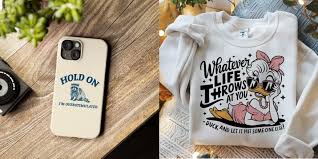
- Phone Cases: Almost everyone has a smartphone. A popular way to show off personality.
- Stickers: Very affordable. People love putting them on laptops, water bottles, notebooks.
Stickers are fantastic for market testing. You can create many designs easily and see which ones get traction. They are also great for giveaways or as a bonus gift.
Designing for Your Niche
Your designs are what sell your products. They need to speak directly to your niche audience.
Authenticity and Understanding
This is crucial. You need to understand the culture, language, and inside jokes of your niche. Generic designs won’t cut it.
- Speak Their Language: Use slang or phrases they use.
- Know Their Symbols: What images or icons are important to them?
- Understand Their Values: What do they care about? What do they find funny?
If you’re designing for programmers, use actual code snippets or programming humor. If it’s for bakers, use baking tools or fun baking puns. Authenticity builds trust.
Visual Style
What is the overall look and feel of your niche? Is it:
- Minimalist: Clean lines, simple fonts, limited colors.
- Retro: Vintage fonts, distressed textures, era-specific color palettes.
- Whimsical: Cute illustrations, bright colors, playful elements.
- Bold and Graphic: Strong shapes, high contrast, modern typography.
Your designs should match this visual style. Consistency across your products builds a strong brand identity. People will recognize your work.
Design Best Practices
High Resolution: Always use high-quality images (300 DPI recommended).
File Formats: PNG is usually best for POD with transparent backgrounds.
Color Modes: Use RGB for screen-based designs; CMYK if the POD provider specifies.
Bleed and Safe Zones: Understand the printing area of each product.
Testing Your Designs
Don’t be afraid to test your designs. Create a few mockups. Share them with people in your niche.
Ask for feedback.
- Social Media Polls: Post two design options and ask which they prefer.
- Online Communities: Share designs in relevant forums or Facebook groups (if allowed).
- Friends and Family: If they are part of your niche, get their honest opinion.
This feedback loop is invaluable. It helps you refine your designs before you even launch. It saves you time and money.
It ensures you’re making products people actually want.
Niche Examples in Practice
Let’s look at a few more concrete examples. How might a niche be applied?
Example 1: The Urban Gardener
Niche: People who love growing plants on their balconies or in small city spaces.
Target Audience: City dwellers, apartment residents, younger adults interested in plants.
Designs:
- Cute illustrations of succulents, potted herbs, and small trees.
- Funny sayings like “My Balcony Is My Oasis” or “Plant Parent & Proud.”
- Stylized graphics of watering cans, gardening gloves, and city skylines.
- Focus on a fresh, green, and slightly bohemian aesthetic.
Products: T-shirts with plant quotes, tote bags for carrying supplies, ceramic mugs for their morning coffee while tending plants, stickers for plant pots.
Keywords: urban gardening, balcony garden, small space gardening, plant mom, indoor plants, city gardening.
Example 2: The Retro Gamer
Niche: Adults who grew up playing classic arcade and console games from the 70s, 80s, and early 90s.
Target Audience: Nostalgic adults, gamers who appreciate retro aesthetics.
Designs:
- Pixel art inspired by classic games.
- Iconic controllers (Atari, NES, Sega Genesis).
- Phrases like “Player 1 Ready,” “Insert Coin,” “High Score Achieved.”
- Use vibrant, 8-bit color palettes.
Products: T-shirts with game characters, hoodies with retro console motifs, posters of arcade game scenes, phone cases with pixelated designs.
Keywords: retro gaming, arcade games, 80s video games, classic gaming, vintage gaming, pixel art.
Niche Application: The Coffee Enthusiast
Audience: People who love coffee, baristas, home brewers.
Products: Mugs with witty coffee quotes, t-shirts saying “Fueled by Coffee,” tote bags for grocery shopping (maybe for coffee beans!).
Designs: Coffee bean patterns, latte art illustrations, funny coffee puns, minimalist coffee cup outlines.
Keywords: coffee lover, coffee addict, espresso, barista life, morning coffee, caffeine.
Example 3: The Eco-Conscious Traveler
Niche: People who love to travel but are passionate about sustainability and protecting the environment.
Target Audience: Environmentally aware travelers, backpackers, nature lovers.
Designs:
- Nature-inspired imagery: mountains, forests, oceans, national parks.
- Slogans like “Leave No Trace,” “Explore Responsibly,” “Wander Sustainably.”
- Designs showing reusable water bottles, solar panels, or wind turbines.
- Use earthy tones and natural color palettes.
Products: T-shirts made from organic cotton, durable tote bags for travel, water bottles, posters of natural landscapes with eco-messages.
Keywords: sustainable travel, eco travel, responsible tourism, adventure travel, nature lover, conservation.
The Long-Term View: Building a Brand
Choosing a niche isn’t just about the first sale. It’s about building something lasting. A strong brand connects with customers.
Consistency is Key
Once you’ve picked a niche, stick with it. Your designs, your messaging, your social media presence – it all needs to be consistent. This builds recognition and trust.
- Brand Voice: Is it funny? Inspirational? Educational?
- Visual Identity: Use consistent logos, colors, and fonts.
- Product Quality: Work with reliable POD providers. Ensure good print quality.
Consistency helps people remember you. It makes them feel like they know your brand. This is vital for repeat business.
Engage with Your Audience
Don’t just sell. Connect. Interact with your customers.
They are part of your niche community.
- Social Media: Share behind-the-scenes content. Run polls. Ask questions.
- Email Lists: Offer exclusive discounts or early access to new designs.
- Customer Service: Be responsive and helpful.
When people feel heard and valued, they become loyal fans. They are more likely to recommend you to others. This organic growth is powerful.
Building Brand Trust
Transparency: Be open about your process and values.
Reliability: Deliver on promises regarding product quality and shipping.
Community: Foster a sense of belonging among your customers.
Value: Offer more than just products; provide helpful content or inspiration.
Adapt and Evolve
Niches can change. Trends come and go. Stay aware of what’s happening in your chosen niche.
- Listen to Feedback: What are customers asking for?
- Monitor Trends: Are there new popular styles or topics?
- Expand Carefully: If you want to add new product lines or designs, make sure they still fit your niche.
The goal is to grow without losing the essence of what made your niche special in the first place. Your deep understanding of your audience will guide you.
Frequently Asked Questions About Print-on-Demand Niches
What is the most profitable print-on-demand niche?
While there’s no single “most profitable” niche, evergreen categories like pets, hobbies, and lifestyle/values consistently perform well. Profitability often comes from finding a specific sub-niche within these broader areas and creating highly relevant designs.
How do I know if a niche is too small?
A niche might be too small if there’s very little search volume for related keywords. Also, if you can’t find any existing communities or discussions online about the topic. You want enough people interested to make sales, but not so few that it’s impossible to find them.
Should I pick a niche I’m passionate about or one that’s profitable?
Ideally, you want both! Passion helps you stay motivated and create authentic designs. Profitability ensures your business can succeed.
If you have to choose, start with a profitable niche you can learn to be passionate about. Or a passion you can find a profitable angle for.
How many products should I offer when starting?
Start small. Focus on a few core products within your niche, like t-shirts and mugs. As you gain traction and understand what sells, you can expand your product catalog.
Quality and relevance are more important than quantity.
Is it okay to sell designs that are similar to popular ones?
It’s okay to be inspired by popular trends, but avoid direct copying. Your designs need to be original. Focus on adding your unique twist or targeting a slightly different angle within the popular theme.
Always respect copyright and intellectual property.
How long does it take to see results from a print-on-demand niche store?
Results vary greatly. It can take weeks or months to gain traction, especially if you’re building a brand and marketing organically. Consistent effort in design, marketing, and customer engagement is key.
Don’t expect overnight success.
Conclusion
Finding the right print-on-demand niche is your first big step. It’s about understanding people. It’s about creating things they truly want.
Don’t rush this part. Do your research. Explore your own interests.
Combine ideas. And remember, your niche is more than just a category. It’s a community you can serve.
Build it with care and authenticity.