


Ecommerce Trends 2026

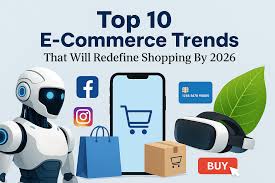
The top ecommerce trends for 2026 will focus on advanced personalization with AI, deeper integration of augmented reality, and a stronger emphasis on sustainability and ethical sourcing. Expect more seamless mobile shopping experiences and a rise in community-driven commerce.
The Big What’s Shaping Online Shopping in 2026?
Online stores are changing fast. Many things are pushing these changes. Technology is a huge part of it. Plus, how people shop is different now. They want things fast and easy. They also care more about where things come from. They want to feel good about their buys. For anyone running an online shop, this means you need to watch these shifts closely. Staying aware helps you connect with shoppers better. It also helps your business grow.
AI Takes Center Stage: Smarter Shopping Experiences
AI is not new. But in 2026, it gets much more powerful for online shops. Think about how AI can help shoppers. It can guess what you like. It can find products just for you. This is beyond just showing you ads.
Personalized Product Recommendations
Imagine visiting a store. The clerk knows your name. They know your style.
They suggest things you might love. AI does this online now. It looks at what you view.
It sees what you buy. It even checks what you click on. Then it shows you items you’re more likely to want.
This feels less like selling. It feels more like helpful advice.
For businesses, this means better sales. Shoppers stay longer. They buy more when they find what they want easily.
It makes the whole shopping trip better.
AI-Powered Customer Service
Got a question at 2 AM? AI chatbots are getting really smart. They can answer common questions.
They can help you track orders. Some can even help you pick out items. They are available all the time.
This helps shoppers feel heard. It also frees up human staff for harder problems.
This AI helps businesses save money. It also makes customers happier. Happy customers come back again.
They tell their friends, too.
Dynamic Pricing and Promotions
Ever see a price change online? AI can do this smartly. It can look at demand.
It can see what competitors charge. Then it can adjust prices in real time. This helps businesses sell more.
It also helps them get the best price.
For shoppers, this can mean deals. But it can also mean prices change fast. Transparency here is key.
Shops need to be clear about this.
AI in Action: Quick Facts
Smarter Search: AI helps online search engines understand what you mean. You can type more naturally. Results get better.
Visual Search: See something you like in a photo? AI lets you search using images. It finds similar products.
This is great for fashion and home decor.
Content Creation: AI can help write product descriptions. It can even help make marketing emails. This saves time for shop owners.
Augmented Reality (AR): Bringing Products Home
AR lets you see things in your world. You use your phone or tablet. You can see how furniture looks in your room. You can try on clothes virtually. This is a game-changer for online shopping.
Virtual Try-Ons
Trying on clothes online is hard. How does it fit? What color looks best?
AR apps solve this. You can see yourself wearing the clothes. This helps you decide if you really want it.
Less returns mean happy shops and happy customers.
This is big for fashion. But it’s also growing for makeup and glasses. It makes shopping more fun and sure.
3D Product Visualization
Sometimes, a flat picture isn’t enough. AR lets you see products in 3D. You can spin them around.
You can zoom in. This is great for big items. Think about a sofa or a new appliance.
You can see it from every angle. You can see how it fits your space.
This builds trust. Shoppers feel more confident. They know what they are getting.
This reduces surprises after delivery.
AR’s Reach: What’s Next?
Home Decor Preview: See how a rug looks on your floor. Check if a painting fits your wall. AR makes home decorating easier.
Car Configurators: In the future, you might see how a new car looks in your driveway.
Interactive Manuals: Imagine pointing your phone at a new gadget. AR can show you how to use it step-by-step.
Sustainability and Ethics: Shopping with a Conscience
People care more about the planet. They want to buy from brands that do good. In 2026, this trend gets even bigger. Shops need to show they are responsible.
Ethical Sourcing and Transparency
Where do products come from? Who made them? Shoppers want to know.
Brands that are open about their supply chains win trust. They show they pay workers fairly. They use safe methods for the earth.
Sharing this story is important. Use your website. Use social media.
Tell people about your values. Show pictures of your makers. Explain your materials.
Eco-Friendly Packaging and Shipping
Boxes and plastic wrap add up. Shoppers notice this. They prefer brands that use less.
Or they like brands that use recycled or compostable stuff. Green shipping options are also a plus. Maybe less air travel.
Or delivery by bike in cities.
Think about reducing waste. Offer options for less packaging. Let customers choose greener shipping if they can wait a bit.
Circular Economy Models
What happens to a product when you’re done? Some brands are looking at this. They might offer repair services.
Or they might take back old items to reuse or recycle. This is called a circular model. It keeps items in use longer.
This shows a deep care for the planet. It’s a big step for many businesses. But it’s something shoppers are looking for.
The “Good” Shopper: What Matters
Fair Trade: Products made with fair wages and good conditions.
Organic: Grown without harmful chemicals.
Recycled Materials: Made from old items, not new resources.
Low Carbon Footprint: Made and shipped with less impact on the climate.
The Rise of Community and Social Commerce
Shopping is not just about buying. It’s also about connecting. Social media plays a big role here. Brands that build communities do well.
Live Shopping Events
Think of a TV shopping channel, but online. Brands do live streams. They show products.
They answer questions. People can buy right there. It feels exciting and personal.
It’s a great way to connect with shoppers in real time.
You can host these on platforms like Instagram, TikTok, or YouTube. Or have your own on your site. Make them fun and engaging.
Influencer Marketing Evolves
Influencers still matter. But in 2026, authenticity is key. Shoppers want to see real people.
They want honest reviews. Micro-influencers, those with smaller but dedicated followings, are very valuable. Their audiences trust them more.
Partner with influencers who truly love your products. Their passion will show. It feels more real to shoppers.
User-Generated Content (UGC)
What are your customers saying? What photos are they sharing? UGC is powerful.
It’s like word-of-mouth marketing. When shoppers see others using and loving your products, they trust it. Encourage customers to share photos.
Run contests. Feature their posts.
This builds trust. It shows real people enjoy what you sell. It’s also great content for your own marketing.
Mobile-First and Seamless Checkout
Most people shop on their phones. This is not new. But in 2026, the experience must be perfect. Slow sites or clunky checkouts lose sales.
Optimized Mobile Experiences
Your website must load fast on phones. Buttons must be easy to tap. Navigation should be simple.
Product pages need clear info. Images should look good. If it’s hard to use on mobile, people leave.
Test your site on different phones. Make sure it’s easy to use anywhere, anytime.
One-Click Purchasing
Nobody likes a long checkout. Filling out forms is annoying. One-click buying is the goal.
Save payment info. Save shipping details. Let shoppers buy with just one click.
This is a huge seller.
Make sure it’s secure. Offer options like Apple Pay or Google Pay. These make it super simple and safe.
Mobile Magic: Key Elements
Fast Loading: Pages must appear in seconds.
Easy Navigation: Menus and buttons are simple to find and use.
Clear Information: Product details, prices, and shipping are easy to read.
Secure Payments: Trustworthy and quick payment options.
The Evolution of Product Discovery
How do people find new things to buy? It’s not just searching keywords anymore. Discovery is becoming more visual and intuitive.
Visual Search Dominance
As mentioned with AI, visual search is growing. People take photos of things they like. They upload them.
The search engine shows them similar items. This is key for fashion, home decor, and art.
Make sure your products are tagged well. Use high-quality images. This helps visual search find you.
Curated Collections and Bundles
Sometimes shoppers don’t know exactly what they want. They might like a “look” or a “style.” Curated collections show themed products. Bundles offer items that work well together.
This makes shopping easier. It also can increase the value of each sale.
Think about creating “shop the look” pages. Or bundle related items for a discount. This helps shoppers discover more.
Personalization Beyond Recommendations
Personalization is more than just product suggestions. It’s about tailoring the whole experience.
Personalized Website Content
Your website can change for each visitor. It can show different banners. It can highlight different products.
Based on their past behavior. Or their location. Or even the time of day.
This makes every visit feel unique.
This requires good data. But the impact is huge. It makes shoppers feel understood.
They feel like the store is made for them.
Customized Product Options
Allowing customers to tweak products is a big trend. Maybe they choose the color. Or add their name.
Or pick the size. This makes the product special. It feels more valuable.
This is great for gifts. It’s also good for items people want to be unique. Think custom t-shirts or engraved jewelry.
Or even custom-fit clothing.
Personalization Power-Ups
Welcome Offers: Special discounts for first-time visitors.
Loyalty Programs: Rewards for repeat customers.
Birthday Surprises: A special treat on their birthday.
Abandoned Cart Reminders: Gentle nudges to complete a purchase.
The Metaverse and Immersive Shopping
While not mainstream for everyone yet, the metaverse is emerging. This is a virtual world. Online shops might have a presence there.
Virtual Stores and Showrooms
Imagine walking through a virtual store. You can pick up items. You can talk to virtual assistants.
This is the metaverse. It offers a new way to explore products. It can be very engaging.
This is still early days. But some brands are experimenting. They are building virtual spaces.
They are testing new shopping formats.
NFTs and Digital Collectibles
NFTs are unique digital items. Some brands are using them. They might sell digital art.
Or offer unique digital versions of physical items. This creates buzz and exclusivity.
It’s a niche area. But it shows how technology can create new value. And new ways to interact with customers.
Data Privacy and Trust: A Foundation for Success
With all this tech, data is important. But people are worried about privacy. Shops must be honest.
Transparent Data Usage
Tell shoppers what data you collect. Explain why you need it. Make it easy for them to say no.
Or to change their settings. Trust is built on openness.
Clear privacy policies are a must. Use simple language. Avoid jargon.
People need to understand.
Secure Payment and Information Handling
Protect customer data at all costs. Use strong security measures. Keep up with the latest threats.
A data breach can destroy a business.
Invest in good security. Show shoppers their information is safe. This builds confidence.
Building Trust: Key Actions
Clear Privacy Policy: Easy to find and understand.
Secure Checkout: Look for the padlock icon.
Customer Reviews: Real feedback builds credibility.
Responsive Support: Quick and helpful customer service.
The Future is Flexible: New Business Models
The way people pay and receive goods is changing.
Subscription Boxes and Services
This model is still strong. People love getting curated items regularly. It offers convenience.
It offers surprise and delight. Think beauty boxes, meal kits, or even pet supplies.
Focus on value. Make sure the items are good. Keep customers engaged with new themes or special editions.
Direct-to-Consumer (DTC) Growth
More brands are selling directly to shoppers. They cut out middlemen. This gives them more control.
They can build a stronger brand story. They can connect better with their audience.
This means investing in your own marketing. And your own customer service. But it can lead to higher profits.
Real-World Context: Who is Adopting These Trends?
I was helping a small fashion boutique owner just last week. She was struggling to get noticed online. Her site was pretty, but it felt a bit static. Shoppers liked her clothes in person. But online, they just browsed and left. We talked about live shopping. She was nervous. “Talking to a camera? About clothes?” she asked. But she tried it. She picked a popular new dress. She showed how it moved. She answered questions about sizing. It was a little awkward at first. But her followers loved it. They asked questions. They felt connected. She sold three dresses in that one hour. It was a small win, but a big moment for her confidence. That’s the power of bringing real interaction online.
Another friend runs a furniture store. He invested in AR. Now, people can use his app. They can see how a sofa looks in their living room. Before buying. He told me his return rate dropped by half. Customers felt much more sure about their choices. They didn’t guess anymore. They saw it. This kind of tech makes a real difference. It solves a big problem for shoppers: uncertainty.
What This Means for You: Staying Ahead of the Curve
So, what does all this mean for your online shop? It means change is constant. But it also means opportunity.
When These Trends Are Normal
If you sell clothes, AR try-ons are becoming normal. If you sell anything with a complex design, 3D views are helpful. For most businesses, fast mobile sites and AI chatbots are now expected.
Focus on making shopping easy and pleasant. Use technology to help customers. Not to confuse them.
When to Worry (or Invest More)
If your site is slow on mobile, that’s a worry. If your checkout process has too many steps, that’s a problem. If customers can’t find answers to simple questions easily, that’s a sign to improve.
Look at your customer feedback. What are people complaining about? Address those pain points first.
Simple Checks You Can Do Now
Test your mobile site. How fast does it load? Is it easy to navigate?
Review your checkout. How many steps does it take? Can you simplify it?
Look at your product pages. Are the descriptions clear? Are there enough good photos?
Check your customer service. How quickly do you respond? Can you use AI for common questions?
Quick Fixes & Tips for 2026 Readiness
You don’t need to do everything at once. Start small.
- Boost Your Mobile Speed: Use tools like Google’s PageSpeed Insights. Optimize images.
- Implement Basic AI Chat: Start with a simple chatbot for FAQs.
- Gather More Customer Photos: Encourage UGC by asking for reviews with pictures.
- Review Your Packaging: Can you use less plastic? Or more eco-friendly materials?
- Personalize Emails: Use customer names. Recommend products they might like.
Frequent Questions About Ecommerce Trends
Will AI replace human jobs in ecommerce?
AI will change jobs, not necessarily replace them. It automates tasks. This allows humans to focus on more creative, strategic, and complex customer interactions.
Think of AI as a powerful assistant.
Is AR only for big brands?
No, AR is becoming more accessible. Many platforms offer AR tools. Small businesses can use them to show products in a unique way.
It helps shoppers visualize items before buying.
How much should I focus on sustainability in 2026?
Sustainability is crucial. Shoppers increasingly choose brands with ethical practices. Even small steps like reducing packaging waste make a difference.
Transparency about your efforts builds trust.
What is the best way to start with social commerce?
Start by engaging on platforms your customers use. Share appealing product photos and videos. Consider live shopping sessions.
Encourage user-generated content. Build a community around your brand.
How important is data privacy for ecommerce success?
Data privacy is extremely important. Customers are more aware of their data. Be transparent about how you use information.
Ensure strong security measures. Building trust through privacy is key to customer loyalty.
What if I can’t afford all these new technologies?
You don’t need to adopt everything at once. Prioritize. Start with the trends that best fit your business and customers.
Many tools offer free trials or tiered pricing. Focus on improving the core shopping experience first.
Final Thoughts for Your Ecommerce Journey
The ecommerce world in 2026 will be smart, personal, and caring. By understanding these trends, you can make your online shop shine. Focus on your customers. Use technology to serve them better. Be open about your values. Your customers will notice. They will come back. This is how you build a lasting business.