

Low Budget Ecommerce Startup

Starting an ecommerce business with little money is achievable by focusing on cost-effective tools, smart marketing, and gradual growth. Prioritize essential functions, leverage free resources, and scale as revenue increases to build a successful online store.
What Is a Low Budget Ecommerce Startup?
A low budget ecommerce startup means you are beginning an online selling business with minimal financial investment. The goal is to use resources wisely. This approach prioritizes saving money on things that aren’t immediately essential.
Instead, it focuses on what truly drives sales. It’s about being clever, not just cheap. Many successful businesses began this way.
They grew over time. They learned as they went.
The core idea is to prove your concept before investing heavily. You want to test the market. You want to see if people like your product.
You want to know if they will buy it. This careful approach helps avoid large upfront costs. It reduces risk.
You can then reinvest profits. This is how you scale up slowly and surely. It’s a common path for many new entrepreneurs.
My First Online Store: A Lesson in Frugality
I remember my very first online shop. It was about ten years ago. I had a passion for handmade soaps.
My apartment was practically a soap factory. I dreamed of selling them everywhere. But my bank account was as empty as a forgotten pantry.
I felt this huge knot of anxiety in my stomach. How could I possibly afford a website, advertising, or even decent packaging?
I spent weeks researching. I looked at expensive platforms. I saw ads for big marketing campaigns.
It all seemed so out of reach. Then, one evening, I stumbled upon some forums. People were talking about using free tools.
They were sharing tips on how to get started without much cash. It felt like a light switched on. I realized I didn’t need a fancy setup.
I just needed to start. I began with a simple marketplace listing. The first sale felt like a million dollars.
That small win fueled my belief. It showed me a low budget ecommerce startup was indeed possible.
Starting Smart: Essential Steps for a Lean Launch
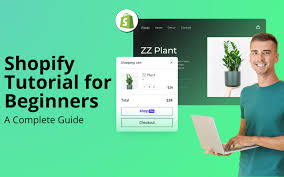
Platform Choice: Look for platforms with free tiers or low monthly fees. Options like Etsy, Shopify Lite, or WooCommerce with a cheap hosting plan are good. Avoid expensive custom builds early on.
Product Sourcing: Start with products you can make or get at a low cost. Consider dropshipping to avoid holding inventory. This saves space and upfront cash.
Branding: Use free tools like Canva for logos and graphics. Keep branding simple and consistent. A clear, honest brand voice is more important than a flashy logo at first.
Payment Processing: Use reliable but affordable options like Stripe or PayPal. They are widely trusted and easy to set up.
Where to Sell Your Products Without Breaking the Bank
Picking the right place to sell is key for a low budget ecommerce startup. You don’t need your own massive website right away. Many online marketplaces exist.
They already have built-in traffic. This means potential customers are already looking there.
Think about platforms like Etsy for handmade or vintage goods. It’s great for niche products. Amazon is huge, but can have higher fees.
eBay is good for a variety of items. Then there are social media shops. Facebook Marketplace and Instagram Shopping are free to set up.
You can link products directly from your posts. This is fantastic for visual items. It keeps costs very low.
When you’re just starting, these marketplaces can be your best friend. You avoid the cost of building and maintaining your own site. You also tap into an existing customer base.
As you grow, you can then build your own website. You’ll have the revenue to support it. This phased approach is smart for budget-conscious entrepreneurs.
Marketplace vs. Own Website: A Quick Scan
| Feature | Marketplace (e.g., Etsy) | Own Website (e.g., Shopify) |
| Initial Cost | Low (listing fees, transaction fees) | Moderate to High (platform fees, hosting) |
| Traffic Generation | Built-in audience | Requires your own marketing efforts |
| Control | Limited branding and features | Full control over design and experience |
| Scalability | Can be limited by platform rules | Highly scalable |
The Power of Free and Low-Cost Tools
Running a business today doesn’t require huge software budgets. Many amazing tools are free or very cheap. These are essential for a low budget ecommerce startup.
You can manage almost every aspect of your business with them.
For design, Canva is a lifesaver. You can create logos, social media posts, and even simple product mockups. Google Workspace (Docs, Sheets, Drive) is free for basic use.
It helps with organizing your business. For customer communication, Gmail is standard. Many email marketing services have free plans for small lists.
Mailchimp or Sendinblue are good examples. They let you build an email list and send newsletters. This is crucial for repeat customers.
Social media management can also be done cheaply. Tools like Buffer or Hootsuite offer free plans. These let you schedule posts across platforms.
This saves so much time. For accounting, basic spreadsheets can work initially. Or look for free accounting software.
Wave is a popular free option. It handles invoicing and basic bookkeeping.
Don’t underestimate the power of these free resources. They can professionalize your operation without costing a dime. This is where smart entrepreneurs shine.
They find ways to do more with less.
Your Free Toolkit for Success
- Design: Canva (logos, social media graphics)
- Productivity: Google Workspace (Docs, Sheets, Drive)
- Email Marketing: Mailchimp, Sendinblue (free tiers)
- Social Media Scheduling: Buffer, Hootsuite (free tiers)
- Accounting: Wave (free accounting software)
- Project Management: Trello, Asana (free tiers)
Smart Product Sourcing on a Shoestring
The cost of your products is a huge part of your budget. For a low budget ecommerce startup, you need smart sourcing. You can’t afford to buy huge amounts of inventory upfront.
One popular method is dropshipping. With dropshipping, you don’t keep any inventory yourself. When a customer buys from you, you order the item from a third party.
That third party ships it directly to the customer. Your profit is the difference between your selling price and the supplier’s price. This means almost zero upfront cost for inventory.
You only pay when you make a sale. Services like Oberlo (for Shopify) or direct supplier relationships can facilitate this.
Another approach is to make your own products. If you’re crafty, like I was with soaps, this can work. Start small.
Make a few items. Sell them. Use the money from those sales to buy more materials.
This is called bootstrapping. It’s a slow but very low-risk way to start.
You can also look for local artisans or wholesalers who offer small minimum order quantities (MOQs). Sometimes, you can negotiate deals if you explain you’re a new business. Showing a clear plan and passion can go a long way.
It’s about building relationships. It’s about finding partners who believe in your vision, even on a small scale.
Dropshipping vs. Making Your Own: Key Differences
Dropshipping:
- Pros: No inventory cost, wide product selection, low startup risk.
- Cons: Lower profit margins, less control over shipping and quality, reliance on supplier.
Making Your Own Products:
- Pros: Unique products, higher profit margins, full quality control, strong brand story.
- Cons: Time-intensive, requires materials cost, need for space, limited scalability initially.
Marketing Your Store Without a Big Budget
Marketing is where many startups think they need to spend big money. But for a low budget ecommerce startup, creative, organic marketing is your best bet. You need to reach people without paying for ads.
Social Media Marketing: This is your primary free channel. Be active on platforms where your target customers hang out. Post consistently.
Share behind-the-scenes looks. Run small contests or giveaways. Engage with your followers.
Use relevant hashtags. Pinterest and Instagram are great for visual products. TikTok is powerful for short videos.
Facebook groups can be goldmines for niche communities.
Content Marketing: Start a blog related to your niche. Share helpful tips, guides, or stories. This drives organic traffic from search engines over time.
It also positions you as an expert. You can write about how to use your product. You can write about problems your product solves.
Share this content on social media too.
Email Marketing: As mentioned, build an email list from day one. Offer a small discount or freebie for signing up. Email is highly effective for nurturing leads and driving sales.
You can send out new product announcements, sales, or helpful content.
SEO Basics: Learn the fundamentals of Search Engine Optimization. Use relevant keywords in your product titles and descriptions. Make sure your site (or marketplace listings) is easy to navigate.
Good SEO helps people find you on Google organically. This is a long-term strategy that costs only your time and effort.
Collaborations: Partner with other small businesses or influencers for cross-promotion. You might do a joint giveaway. Or you could write guest posts for each other’s blogs.
Look for micro-influencers who have a small but engaged audience. They are often more affordable or willing to collaborate for product.
Low-Cost Marketing Tactics: A Checklist
-
Post daily on relevant social media channels.
-
Engage with followers and other accounts.
-
Start a simple blog sharing useful tips.
-
Offer a signup bonus for your email list.
-
Use keywords in product descriptions for search.
-
Seek out small influencer collaborations.
Building Your Brand Identity on a Budget
Brand identity is more than just a logo. It’s the feeling people get from your business. For a low budget ecommerce startup, this needs careful thought.
You want to look professional without spending a fortune.
Your Story Matters: What’s your “why”? Why did you start this business? Share this story.
People connect with real people and authentic journeys. This is your most powerful, free branding tool. My soap business story, for example, was all about passion and a desire to create something natural.
Visual Consistency: Choose a simple color palette and font. Use them everywhere – on your website, social media, and any packaging. Canva is great for this.
You can create brand kits. This ensures everything looks cohesive.
Customer Experience: Excellent customer service is a cornerstone of any strong brand. Be responsive. Be polite.
Go the extra mile when you can. A happy customer is a returning customer. They are also your best free advertiser through word-of-mouth.
Packaging: You don’t need custom-printed boxes. But neat, clean packaging makes a difference. Use plain boxes or mailers.
Add a handwritten thank-you note. Maybe a small branded sticker. These little touches show you care.
They elevate the unboxing experience without much cost.
Branding Essentials for Lean Startups
Brand Voice: Define how your business speaks. Is it friendly, professional, quirky? Use this voice consistently.
Visual Style: Choose 2-3 colors and 1-2 fonts. Stick to them for all your content.
Mission Statement: What problem do you solve? What value do you bring? Even a simple one helps guide decisions.
Customer Service Promise: What can customers expect from interactions with your brand?
The Importance of Customer Service
For any business, good customer service is vital. For a low budget ecommerce startup, it’s even more critical. It costs much less to keep an existing customer than to find a new one.
Excellent service can turn one-time buyers into loyal fans.
When someone reaches out with a question or a problem, your response matters. Be prompt. Use clear, friendly language.
Even if you can’t solve their issue immediately, acknowledge their message. Let them know you’re working on it. This builds trust.
Handle complaints with grace. Mistakes happen. How you fix them is what counts.
A well-handled complaint can often turn a negative experience into a positive one. The customer feels heard and valued. This is worth more than any marketing campaign.
Think about your return policy. Make it clear and fair. Understandable policies reduce customer anxiety.
They also reduce the number of inquiries you get about it.
Remember, word-of-mouth is powerful. Happy customers will tell their friends. Unhappy customers will tell even more people.
Prioritizing service is a smart investment. It costs little but yields great returns in loyalty and reputation.
Legal and Financial Basics for a Lean Business
Even on a tight budget, certain legal and financial steps are necessary. Skipping these can lead to bigger problems later. You don’t need to hire expensive lawyers or accountants from day one.
But you do need to be aware.
Business Structure: For most small startups, a sole proprietorship is the simplest. It’s automatically created when you start doing business. Your personal assets are not separate from your business.
A Limited Liability Company (LLC) offers more protection but costs more to set up. For a low budget ecommerce startup, you might start as a sole proprietor. You can always change this later as you grow.
Business Licenses and Permits: Check your local, state, and federal requirements. These vary widely. The U.S.
Small Business Administration (SBA) website is a great resource. They offer guidance on licenses needed for your specific business type and location.
Taxes: Understand your tax obligations. As a sole proprietor, you’ll report business income on your personal tax return. You’ll likely need to pay self-employment taxes.
Keep good records of income and expenses. This makes tax filing much easier. Using free accounting software like Wave helps greatly here.
Bank Account: Even as a sole proprietor, it’s wise to open a separate business checking account. This helps keep your personal and business finances clear. It makes tracking income and expenses much simpler.
Many banks offer free business checking accounts.
Legal & Financial Checklist for New Businesses
Business Name Registration: If operating under a name other than your own (DBA – Doing Business As), you may need to register it.
Tax ID: You might need an Employer Identification Number (EIN) from the IRS, even if you have no employees. It’s free and can be obtained online.
Sales Tax: Understand if you need to collect sales tax in states where you have a physical presence or meet certain sales thresholds.
Privacy Policy & Terms of Service: If you have a website, these are essential. Templates can be found online and adapted.
Scaling Your Low Budget Ecommerce Startup
Growth is the ultimate goal for any business. For a low budget ecommerce startup, scaling needs to be smart and sustainable. You don’t want to outspend your revenue.
You want to reinvest profits wisely.
Automate Where Possible: As orders increase, manual tasks become time sinks. Look for ways to automate. Email marketing sequences can run on autopilot.
Order fulfillment can be streamlined with apps. Social media scheduling saves time.
Outsource Wisely: Once revenue allows, consider outsourcing tasks that are not your strength or are too time-consuming. This could be bookkeeping, customer service, or even some marketing tasks. Find freelancers or virtual assistants who are cost-effective.
Expand Product Lines Gradually: Don’t add too many new products at once. Test demand for new items. Use pre-orders to gauge interest before investing in inventory.
Start with variations of existing successful products.
Invest in Better Tools: As your budget grows, you can upgrade your tools. Move from a free plan to a paid plan for your email marketing. Invest in a more robust ecommerce platform.
Consider paid advertising channels if your ROI is proven.
Analyze Your Data: Pay close attention to what’s working. Which products sell best? Where do your customers come from?
What marketing efforts yield the most results? Use this data to make informed decisions about where to put your growing resources.
Growth Strategies for Lean Businesses
Focus on Retention: It’s cheaper to keep current customers. Implement loyalty programs or exclusive offers for repeat buyers.
Optimize Conversion Rates: Make it easy for visitors to buy. Improve your product pages, checkout process, and website speed.
Seek Feedback: Ask customers for reviews and testimonials. Use their feedback to improve products and services.
Explore New Channels: Once successful, consider expanding to other marketplaces or social media platforms.
When is it Time to Invest More?
Knowing when to spend more money is an art. For a low budget ecommerce startup, you want to invest when you see a clear return. This means looking for patterns of success.
If a particular product is consistently selling out, it’s time to invest more in sourcing it or making it. If your social media efforts are driving significant traffic and sales, consider allocating a small budget to boost posts or run targeted ads. If customers are asking for a new feature on your website, and it has a clear benefit, that’s a good sign to invest in development.
Another indicator is when your time is becoming your biggest bottleneck. If you’re spending 10 hours a week on tasks that could be done by someone else for $100, it’s time to consider hiring help. Your time is best spent on strategy, growth, and customer relationships.
Look at your profit margins. If they are healthy and stable, you have more room to experiment with paid marketing or software upgrades. Don’t spend money just because you have it.
Spend it where it makes the most sense for scaling your business effectively. The key is to always track your return on investment.
The Mindset of a Budget-Conscious Entrepreneur
Starting an ecommerce business with limited funds requires a specific mindset. It’s about resourcefulness and resilience. It’s about being okay with a slower, steadier pace.
Patience is Key: Things won’t happen overnight. Building a brand and customer base takes time. Celebrate small wins.
Don’t get discouraged by slow periods. Your low budget ecommerce startup is a marathon, not a sprint.
Resourcefulness: Think outside the box. How can you achieve your goals with what you have? Look for free alternatives.
Learn new skills yourself. Network with others who can offer advice or support.
Adaptability: The market changes. Customer needs evolve. Be ready to pivot.
Your initial plan might need adjustments. Being flexible is crucial for survival and growth.
Focus on Value: Even with a low budget, you can deliver immense value. Focus on excellent product quality and outstanding customer service. This is what builds loyalty and positive word-of-mouth, which are priceless.
This journey is about learning and growing. Every challenge is an opportunity to get smarter. Every success, no matter how small, is a step forward.
Believe in your vision. Be persistent. And remember, many successful empires started with very little.
Quick Fixes and Tips for an Ecommerce Startup
Here are some actionable tips to keep in mind for your low budget ecommerce startup:
-
Use high-quality product photos. Even with a smartphone, good lighting and a clean background make a huge difference. Edit them using free apps like Snapseed.
-
Write clear and compelling product descriptions. Highlight benefits, not just features. Answer potential customer questions in the description.
-
Offer a small discount for first-time buyers. This can encourage hesitant customers to make a purchase.
-
Respond to customer inquiries within 24 hours. Even if it’s just to say you’re looking into it.
-
Utilize customer reviews. Ask satisfied customers for reviews and showcase them prominently. Social proof is powerful.
-
Keep your website or marketplace store organized. Clear categories and easy navigation help customers find what they want.
-
Learn basic graphic design for social media. Tools like Canva are your best friend.
-
Track your expenses and income meticulously. Even simple spreadsheets are better than nothing.
Frequently Asked Questions about Low Budget Ecommerce
What is the absolute cheapest way to start an ecommerce business?
The cheapest way is often by using existing marketplaces like Etsy or eBay, or by leveraging social media platforms for sales. You can also start with dropshipping to avoid inventory costs. Focus on free marketing like social media and content marketing.
Do I need a website to start selling online?
Not necessarily. You can start selling through marketplaces (like Etsy, Amazon, eBay) or directly through social media shop features. Many entrepreneurs build their own website later, once they have proven their concept and generated revenue.
How can I get product photos without a professional camera?
Your smartphone is often sufficient! Use natural daylight for good lighting. Find a clean, neutral background.
Edit your photos using free mobile apps like Snapseed or VSCO to enhance them. Focus on clear, bright, and accurate representation of your product.
What are the biggest mistakes people make with a low budget ecommerce startup?
Common mistakes include trying to do too much at once, not understanding their target audience, neglecting customer service, and failing to track finances. Another mistake is investing in fancy tools or marketing before validating their product idea.
How much money do I really need to start an online store?
It’s possible to start for under $100 if you use free platforms and marketplaces, and focus on organic marketing. Costs can increase if you choose a paid platform like Shopify, need to buy initial inventory, or want to run ads. The key is to start lean and only invest as you see returns.
Can I dropship without any upfront cost?
Yes, dropshipping generally has very low upfront costs because you don’t pay for inventory until a customer buys it. You might incur small fees for platform subscriptions or marketing, but the core inventory model is cost-effective for startups.
How long does it take to see results from free marketing?
Results from free marketing methods like SEO and content marketing can take several months to become significant. Social media marketing can yield quicker results if done consistently and engagingly, but building a strong following still takes time and effort.
Conclusion: Your Ecommerce Dream Starts Now
Starting your ecommerce business on a budget is not just possible, it’s a smart way to build a strong foundation. By focusing on cost-effective tools, smart marketing, and excellent customer service, you can make your dream a reality. Remember to be patient, resourceful, and always learn as you go.
Your journey to a thriving online store begins with these foundational steps. You’ve got this!