


Shopify One Product Store

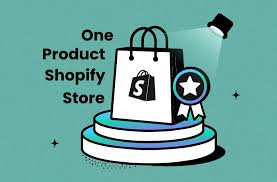
A Shopify one-product store is a website focused on selling a single, distinct item. This approach simplifies marketing, operations, and customer focus, aiming to become the go-to source for that specific product. It’s ideal for entrepreneurs wanting to test a market or build a brand around a unique offering.
What Exactly is a One-Product Store?
Think of it this way: instead of a big department store with aisles of everything, you’re opening a super-specialty boutique. This boutique has only one item, but it’s the absolute best version of that item you can find. That’s the core idea behind a shopify one product store.
You pick one amazing product. Maybe it’s a revolutionary kitchen gadget, a super comfy pillow, or a unique piece of art. Your whole website, your ads, your social media – everything – is dedicated to showcasing and selling that single product.
It’s all about making that one item shine.
This isn’t just about having less to manage. It’s a strategic choice. It helps you become a real expert in that one thing.
Customers see you as the authority. They know they can come to you for the best of that specific item. This focus can really build trust and make your brand stand out in a crowded online market.
Why Focus on Just One Product?
It sounds counter-intuitive, right? Why limit yourself? But there are some really powerful advantages to starting small and focused.
For starters, it cuts down on complexity. When you’re selling only one thing, you don’t need to worry about inventory for dozens of items. You don’t need to write descriptions for a whole catalog.
Your shipping logistics are simpler. This makes running your business much smoother, especially when you’re just starting out.
Marketing also becomes much easier. Instead of trying to reach everyone about everything, you’re targeting a very specific group of people who are interested in your one product. You can tailor your messages.
You can find them on social media or through search engines more effectively. This focused approach often leads to better results and a higher return on your ad spend.
Plus, it helps you build a strong brand identity. When your entire business revolves around one amazing product, you can really tell a compelling story. You can become known for that one thing.
People will remember you. They’ll recommend you to others. This focused branding is hard to achieve when you’re selling a wide variety of goods.
The “Why” Behind the Single Product Focus
Simplified Operations: Less inventory, easier shipping, fewer product variations.
Targeted Marketing: Focus your efforts on reaching the right audience for your specific item.
Stronger Branding: Become the go-to expert for your unique product.
Easier Product Development: Focus all your energy on improving and perfecting one item.
Higher Conversion Rates: Less choice can mean less confusion for customers, leading to more sales.
My Own “Aha!” Moment with a Single Product
I remember when I was trying to get my first online shop off the ground. I had so many ideas! I thought I needed to offer a bit of everything to appeal to more people.
So, I had some t-shirts, a few mugs, some quirky stickers – you name it. My website looked like a jumble sale, and my marketing messages were all over the place.
Sales were… slow. Very slow. I was spending money on ads that weren’t converting.
Customers were confused. They’d land on my site, see the mix, and click away, probably thinking, “What is this place even about?” It was frustrating. I felt like I was shouting into the void.
Then, I stumbled upon a site that was selling just one thing: a really beautifully crafted wooden watch. That was it. Their whole website was about that watch.
The craftsmanship, the story behind the wood, the minimalist design. I was captivated. I ended up buying one, even though I didn’t really need a new watch.
The sheer focus of their presentation made me feel like it was the most important purchase I could make.
That was my wake-up call. I realized that by trying to be everything to everyone, I was being nothing special to anyone. I decided to take a leap and focus my own efforts on just one product that I was truly passionate about and could really stand behind.
The change was almost immediate. My marketing became clearer. My customers understood what I offered.
And yes, sales started to pick up. It wasn’t magic; it was focus.
Choosing Your Star Product
This is the big question, right? How do you pick that one perfect product? It’s not just about picking something you like.
It needs to be something others will buy.
Start by looking at problems people have. What frustrates them? What do they wish existed?
Your product could be the solution. Think about everyday annoyances. Is there a tool that could make a chore easier?
Is there an item that could bring more joy or comfort?
Consider your own passions and skills. What do you know a lot about? What do you enjoy creating or talking about?
Your enthusiasm will shine through. It’s much easier to market something you genuinely believe in. I’ve found that passion makes the hard work feel less like work.
Next, check the market. Is there demand for this product? Are people already searching for it?
You can use tools like Google Trends or do keyword research to see what people are looking for. This doesn’t mean you can’t be unique; it just means you need to ensure there’s an audience.
Also, think about the product itself. Is it something that can be shipped easily? Is it durable?
Does it have a good profit margin? You want to make sure you can actually make money selling it.
Finding Your Winning Product
Solve a Problem: Identify a pain point and offer a solution.
Follow Your Passion: Sell something you know and love.
Market Research: Check if people are actively searching for it.
Profitability: Ensure good margins and manageable costs.
Feasibility: Can it be sourced, produced, and shipped effectively?
Setting Up Your Shopify One-Product Store
Okay, you’ve got your product in mind. Now, let’s talk about making it happen on Shopify. It’s surprisingly straightforward.
First, you need to sign up for Shopify. They have a free trial, which is great for getting started without immediate cost. Once you’re in, you’ll be guided through setting up your store.
Choose a Theme: Shopify offers many free and paid themes. For a one-product store, you want something clean and focused. Look for themes that highlight imagery and product details.
You want your single product to be the star of the show.
Add Your Product: This is where you’ll upload high-quality photos of your product from every angle. Write a compelling description. Focus on the benefits, not just the features.
Tell the story behind the product. Use clear, simple language.
Set Up Payments and Shipping: Connect your bank account so you can get paid. Decide on your shipping rates and options. For a single product, this might be simpler than a multi-product store.
Design Your Pages: You’ll need an About Us page to tell your brand story. A Contact Us page is essential. You might also want an FAQ page to answer common questions about your product.
Customize Your Branding: Upload your logo. Choose your brand colors. Make sure everything looks cohesive and professional.
The key here is simplicity. Don’t overcomplicate your site. You want visitors to easily see your product, understand its value, and know how to buy it.
Every element should guide them towards that purchase.
Shopify Setup Checklist
- Sign up for Shopify
- Select a clean, product-focused theme
- Upload high-quality product photos
- Write a benefit-driven product description
- Configure payment gateways
- Define shipping zones and rates
- Create About Us and Contact pages
- Add your logo and brand colors
Crafting a Killer Product Page
Your product page is your virtual salesperson. For a shopify one product store, this page is CRITICAL. It needs to do all the heavy lifting.
Amazing Photos: Use multiple high-resolution images. Show the product in use. Show close-ups of details.
Lifestyle shots are great because they help customers imagine themselves using it. A short video can also be incredibly powerful.
Compelling Copy: Don’t just list features. Explain how the product makes life better. What problem does it solve?
What feeling does it evoke? Use words that resonate with your target audience. Tell a story.
For example, if you’re selling a special kind of coffee mug, talk about those cozy mornings, that perfect sip of warmth, the joy it brings to starting the day. That paints a picture.
Clear Call to Action: Make the “Add to Cart” button impossible to miss. Use contrasting colors. Keep the buying process simple.
Social Proof: Customer reviews and testimonials are gold. They build trust. If you don’t have reviews yet, ask early customers to share their thoughts.
Even a few positive reviews can make a big difference.
Address Objections: Think about what might stop someone from buying. Is it price? Doubts about quality?
Unclear shipping? Address these preemptively in your product description or an FAQ section on the page.
Mobile First: Most people shop on their phones. Make sure your product page looks fantastic and works perfectly on a small screen. Short sentences and clear headings help a lot here.
Elements of a High-Converting Product Page
Visual Appeal: Multiple high-quality photos and videos.
Benefit-Oriented Text: Focus on what the customer gains.
Strong Call to Action: Easy-to-find “Add to Cart” button.
Customer Reviews: Build trust with social proof.
Objection Handling: Address potential customer doubts.
Mobile Responsiveness: Seamless experience on all devices.
Marketing Your Single Product
Now that your store is set up, how do you get people to find it? Marketing is key, and for a single product, it’s about precision.
Social Media Marketing: Identify where your ideal customers hang out online. Is it Instagram, TikTok, Facebook, Pinterest? Create engaging content that highlights your product’s benefits and story.
Run targeted ads. Show the product in action. User-generated content (customers sharing photos of your product) is incredibly valuable.
Search Engine Optimization (SEO): Make sure people can find you when they search on Google. Use relevant keywords in your product title, description, and website content. Focus on long-tail keywords – more specific phrases that people type into search engines.
Content Marketing: Create blog posts, videos, or guides related to your product. If you sell a specialized kitchen tool, write articles about recipes using it. This positions you as an expert and attracts potential customers.
Email Marketing: Build an email list. Offer a discount or a freebie for signing up. Send out newsletters with product updates, special offers, and valuable content.
This is a great way to nurture leads and encourage repeat purchases.
Influencer Marketing: Partner with influencers who have an audience that would be interested in your product. They can showcase your item to their followers, driving traffic and sales.
The beauty of a single product is that your marketing message is always consistent. You’re not diluting your efforts. You’re creating a clear, unified message that resonates with a specific audience.
Smart Marketing Tactics
Precise Social Media Ads: Target specific demographics and interests.
SEO for Specific Searches: Use long-tail keywords to attract ready buyers.
Value-Driven Content: Educate and engage your audience.
Email List Building: Nurture leads and encourage loyalty.
Strategic Influencer Partnerships: Leverage trusted voices.
Common Hurdles and How to Jump Them
Even with the best plan, you’ll hit some bumps. It’s part of the journey.
Low Traffic: If people aren’t finding your site, you need to revisit your marketing. Are your ads reaching the right people? Is your SEO strong enough?
Are you creating enough content?
Low Conversion Rates: People are coming, but they aren’t buying. This often points to issues with your product page. Are the photos good enough?
Is the description convincing? Is the price right? Are there too many steps to checkout?
Customer Questions: Even with a FAQ, customers will have unique questions. Be prepared to answer them promptly and helpfully. Excellent customer service can turn a potential issue into a positive experience.
Competition: Even with one product, you might have competitors. How can you stand out? Focus on your unique selling proposition.
What makes your product or your brand different and better? It could be quality, design, story, or customer service.
I recall one instance where a customer had a very specific question about the material of a product I was selling. I hadn’t explicitly mentioned it on the page. I quickly replied with a detailed answer, and they bought the product.
Had I been less responsive, I would have lost that sale. It taught me to anticipate questions and be ready with clear, honest answers.
It’s also vital to remember that a shopify one product store isn’t a “set it and forget it” business. It requires ongoing attention to marketing, customer service, and understanding what your customers want.
Real-World Success Stories
It’s inspiring to see how successful single-product stores can become. Take a look at brands like Beardbrand, which started by focusing solely on beard care products. They built a massive community and loyal customer base around this niche.
Or think about Allbirds, famous for their comfortable, sustainable wool sneakers. They proved that you can build a global brand by perfecting and marketing one core item exceptionally well.
These companies didn’t just sell a product; they sold a lifestyle, a solution, and a community. They understood their audience deeply and catered to their specific needs and desires. Their success shows the power of focus and dedication to a single, well-chosen product.
Inspiring Examples
Beardbrand: Built a community and brand around beard grooming products.
Allbirds: Became a footwear giant with their focus on comfortable, sustainable shoes.
Dollar Shave Club (early days): Revolutionized the razor market with a simple subscription model for one core product.
When Is a One-Product Store NOT the Best Idea?
While a shopify one product store offers many advantages, it’s not a universal solution. If your goal is to test a wide variety of products or cater to very diverse customer needs, this model might not be ideal.
If you have a product that has a very short shelf life or is highly seasonal and you don’t have a backup, you might struggle during off-peak times. Also, if your product is easily commoditized and price is the ONLY factor for customers, it can be very hard to stand out.
Another point: if your product is very complex and requires extensive explanation or multiple variations to suit different needs, trying to cram it into a single-product focus might be more confusing than helpful. Sometimes, a slightly broader offering allows for better customer education and choice.
The most important thing is to align your store model with your product, your market, and your overall business goals. For many, though, the focus of a single-product store is a powerful starting point.
Is a One-Product Store Right for You?
So, how do you know if this path is the right one for your entrepreneurial journey? Ask yourself these questions:
Do you have a product that you genuinely believe is special and can solve a problem or bring significant value?
Are you ready to become an expert in that one product and speak passionately about it?
Do you have a clear idea of who your ideal customer is and where to find them?
Are you willing to put in the work to create amazing marketing materials and provide excellent customer service for that single item?
If you answered “yes” to most of these, then a shopify one product store could be an excellent, focused way to start your online business. It allows you to build a strong foundation, learn the ropes of e-commerce, and grow from there.
What This Means for Your Brand Building
Building a brand around a single product is like crafting a signature scent. It’s distinct, memorable, and unmistakably yours. This focused approach means every touchpoint – from your website design to your customer service emails – reinforces a singular message.
This consistency builds recognition and trust faster than a scattered approach.
When customers think of your product, they should immediately associate it with your brand. And when they think of your brand, they should think of that one amazing product. This tight connection is invaluable.
It simplifies word-of-mouth marketing because people have a clear, simple thing to recommend.
It also makes it easier to expand later, if you choose to. Once you’ve mastered selling one product and built a loyal customer base, you can thoughtfully introduce related items that complement your original offering. But you’ll do it from a position of strength, with a proven audience and a strong brand identity already established.
Quick Checks for a Single Product’s Viability
Before you commit fully, do a quick sanity check on your chosen product. Is it something people can easily understand? Does it solve a clear problem or offer a desirable benefit?
Can you find high-quality images or videos that show it off well?
Think about its lifespan. Is it a fad, or something with lasting appeal? For a shopify one product store, longevity is key to building a sustainable business.
Also, consider how easy it is to explain its value. If you find yourself struggling to describe what it does in just a few sentences, it might be too complex for a single-product focus.
Finally, try to get feedback from friends or potential customers. Present the product and its benefits. See if they “get it” immediately.
Their reactions will tell you a lot about its potential.
Tips for Long-Term Success
To keep your shopify one product store thriving, consistency is your best friend. Keep refining your product page. Continuously monitor your marketing campaigns and adjust as needed.
Stay engaged with your customers.
Don’t be afraid to gather feedback. Ask customers what they love and what could be improved. This is invaluable for making your one product even better.
Listen to their suggestions. Sometimes, a small tweak can make a big difference.
Also, keep an eye on trends related to your product. While you want to stay focused, understanding the broader market can help you adapt and stay relevant. This might involve updating your product’s features, packaging, or marketing angles.
And remember the human touch. In a world of automation, genuine connection matters. Respond to emails quickly, resolve issues with empathy, and show your customers you appreciate them.
This builds loyalty that lasts.
Frequently Asked Questions
What is the biggest advantage of a one-product store?
The biggest advantage is the extreme focus it allows. This simplifies operations, marketing, and branding, making it easier to become a recognized expert in your niche and often leading to higher conversion rates.
Is a one-product store good for beginners?
Yes, absolutely. It’s often an excellent starting point for new entrepreneurs because it reduces complexity and allows them to learn the fundamentals of e-commerce without being overwhelmed by managing multiple products.
How do I find a good product for my one-product store?
Look for products that solve a problem, are unique, have a passionate audience, and offer good profit margins. Market research and understanding your own passions are key steps.
What are the best marketing channels for a one-product store?
Targeted social media advertising, SEO for specific keywords, content marketing related to the product, and email marketing are highly effective. The best channels depend on where your ideal customers spend their time.
Can I add more products later if my store is successful?
Yes, you can. Many successful one-product stores start with a single item and then expand their product line once they have a proven market, a strong brand, and a loyal customer base.
What kind of profit margins can I expect with a one-product store?
Profit margins vary greatly depending on the product, industry, and your sourcing. However, the focused nature of marketing and operations in a one-product store can sometimes lead to better cost control and potentially higher margins compared to a broad-range store.
Final Thoughts
Diving into a shopify one product store is a strategic and often brilliant way to enter the e-commerce world. It lets you hone in on what matters most: your product and your customer. By keeping things simple, focusing your marketing, and telling a compelling story, you can build a strong, memorable brand.
It’s about quality over quantity, and true connection over broad reach. Good luck!