


One Product Store Ideas

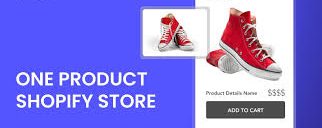
One-product store ideas focus on a single, specialized item. This helps build brand identity and customer trust. It simplifies operations and marketing.
The key is finding a niche with demand. This avoids oversaturation and appeals to a specific audience. Success hinges on product uniqueness and effective promotion.
What is a One-Product Store?
A one-product store is an online shop. It focuses on selling just one main item. Think of it like a specialty shop.
Instead of a whole mall, it’s one perfect booth. This one item is the star. Everything about the store revolves around it.
The website design, the ads, the social media. It’s all about that one special product.
This means you don’t have to manage lots of different items. You know them all inside out. You can market them much better.
It’s a focused approach. This focus can make you stand out. Especially in a crowded online market.
People see you as the go-to place. For that one thing they really want or need.
Why One-Product Stores Are So Appealing
Many folks are drawn to the one-product model. It seems simpler to start. You don’t need a huge inventory.
Managing just one thing is easier. This reduces risk. It also cuts down on confusion for shoppers.
They know exactly what to expect when they arrive. No scrolling through endless pages.
Plus, it’s great for building a brand. Your store becomes known for that one item. This can create strong customer loyalty.
It’s easier to become an expert. You can learn everything about that one product. Then you can share that knowledge.
This builds trust with your customers. They feel confident buying from you.
Benefits of a Single Product Focus
- Simplified Inventory: Less to track, order, and store.
- Clear Branding: Easier to create a strong, memorable identity.
- Marketing Efficiency: Target ads and content to a specific audience.
- Expertise Development: Become the authority on your product.
- Reduced Operational Costs: Lower overhead for management.
The Challenge: Finding That Perfect Single Product
The biggest hurdle is finding the right product. It needs to be unique. It needs to solve a problem or fill a desire.
It can’t be something everyone else sells too. If your idea is too common, you’ll get lost. You’ll be competing with giants.
That’s a tough fight for a new store.
You also want a product with some depth. Can you offer different colors? Sizes?
Or maybe related accessories? That gives you room to grow. But the core idea must be strong.
A single, well-defined product. It’s like finding a hidden gem. Something special that people will seek out.
I remember talking to a friend who tried this. He wanted to sell coffee beans. Sounds simple, right?
But he just bought generic beans. He didn’t roast them himself. He didn’t have a special story.
His website looked like a hundred others. People just scrolled past. He learned fast that “just one product” isn’t enough.
It needs to be the one product.
Product Idea Checklist
Is it Unique?
Does it stand out from competitors?
Does it Solve a Problem?
Does it make life easier or better?
Is there Demand?
Are people searching for it?
Can You Source It Well?
Reliable suppliers and good quality?
Can You Market It?
Is there a clear audience to target?
Where to Find Inspiration for Your One-Product Store
Inspiration is everywhere. You just need to know where to look. Start with your own life.
What problems do you face? What products do you wish existed? What do you love using?
Think about hobbies. What tools or items are essential for them?
Look at trends too. What are people talking about online? What are influencers using?
But be careful. Trends can fade. You want something with lasting appeal.
Or something that starts a new trend. Think about niche communities. They often have specific needs.
Their members are passionate. They’ll spend money on the right products.
Don’t forget about improving existing products. Can you make a common item better? Maybe it’s more durable.
More eco-friendly. Or just much prettier. A simple upgrade can make a big difference.
You’re offering a superior version. That’s a strong selling point.
Creative One-Product Store Ideas to Consider
Let’s brainstorm some ideas. These are just starting points. The goal is to spark your own unique concept.
Remember, the specific product matters. But so does how you present it.
Specialty Kitchen Gadgets
The kitchen is full of gadgets. But many are complex. Or they do one tiny thing.
Think about a specific task. Like perfectly slicing avocados. Or a unique way to store spices.
Maybe a tool for making homemade pasta shapes. These are items people might not buy at a big store.
A store selling only specialized garlic presses. Or one selling only unique cookie cutters. The key is to find a gap.
Something people need but don’t have. Or something they’d love to have for a specific hobby.
I saw a store once that sold only high-quality, ergonomic bottle openers. Not just any openers. But ones designed for comfort.
For people with hand issues. Or for serious home bar enthusiasts. They looked amazing.
And the owner knew everything about the metal and design.
Kitchen Gadget Niches
- Specialty Slicers: For fruits, vegetables, or cheeses.
- Unique Molds: For baking, chocolate, or ice.
- Ergonomic Tools: For easier food prep.
- Beverage Accessories: Beyond standard openers or stirrers.
- Food Preservation Kits: For specific items like herbs or fruits.
Eco-Friendly Home Goods
People care more about the planet. They want to reduce waste. So, a store selling one type of eco-friendly item could do well.
Think about reusable food wraps. Or bamboo toothbrushes. Maybe it’s compostable phone cases.
Or a single, super-effective natural cleaning concentrate.
The story behind the product is vital here. Where does it come from? How is it made?
What impact does it have? People who buy these items want to feel good about their choice. They want to support a mission.
Your store can be that mission.
I’ve seen stores selling only reusable produce bags. Or just a single type of biodegradable soap. The market is growing for these items.
You just need to pick the right one. And tell its eco-story well.
Customizable Pet Accessories
Pet owners love their animals. They want the best for them. And they love to show it off.
A store focusing on one type of customizable pet item could be a winner. Imagine personalized pet ID tags. Or custom-made pet beds.
Maybe it’s unique, handcrafted pet toys.
The personalization is the magic here. It makes the product special. It’s not just a generic item.
It’s made for their pet. This creates a strong emotional connection. It’s also great for gifts.
People are always looking for unique pet gifts.
Think about personalized pet bandanas. Or custom-engraved pet bowls. The ability to add a name, a special message, or a unique design is key.
This elevates a common item into something cherished.
Personalization Ideas for Pet Products
- Engraving: Pet names, phone numbers, special dates.
- Embroidery: Names, patterns on fabric items.
- Custom Printing: Unique designs, pet photos.
- Color/Material Choice: Letting customers pick their preferred look.
- Size Options: Tailoring to specific pet breeds or sizes.
Unique Stationery or Desk Items
The world of paper goods and desk supplies is vast. But there are hidden gems. Think about beautiful, handcrafted pens.
Or a specific type of notebook. Maybe it’s a planner designed for a unique system. Or desk organizers made from unusual materials.
People who appreciate fine stationery are often passionate. They love the feel of good paper. The look of a well-made pen.
These are items that appeal to the senses. They can also be quite collectible. You can build a loyal following.
Consider a store that sells only fountain pens and their inks. Or one that sells a specific brand of luxury notebooks. The quality and aesthetic are paramount here.
It’s about creating a feeling of luxury and care.
Specialty Hobby Supplies
Hobbies are a great source of niche product ideas. People spend money on their passions. What hobby has a specific tool or supply that’s hard to find?
Or that could be made better?
For example, a store selling only high-quality paint brushes for watercolor artists. Or a store with specialized tools for model building. Maybe it’s unique yarn for knitting or crochet.
Or specific parts for a popular board game.
I once found a store selling only specialized lures for fly fishing. The owner was a fly fisherman himself. He knew exactly what made a good lure.
He tested them all. People trusted his advice. His store was tiny but mighty.
Hobby Supply Niches
- Art Supplies: Specialized paints, brushes, canvases.
- Craft Materials: Unique yarns, beads, tools for specific crafts.
- Gaming Accessories: High-quality dice, specific game inserts.
- Outdoor Gear: Niche tools for fishing, camping, or hiking.
- Music Accessories: Specific strings, picks, or cleaning kits.
Comfort and Wellness Products
In today’s busy world, comfort is king. Wellness is a huge market. A one-product store in this area can thrive.
Think about a specific type of weighted blanket. Or a unique aromatherapy diffuser. Maybe it’s a high-quality, ergonomic pillow.
Or a simple, effective meditation cushion.
These products tap into a desire for peace and self-care. The marketing here should focus on relaxation, stress relief, and well-being. Use calming imagery and soothing language.
The product itself should embody these qualities.
A store selling only high-quality, natural bath bombs. Or one with a single type of supportive back cushion. These products aim to improve daily life.
They offer tangible benefits.
Tech Gadgets with a Twist
Technology is always evolving. But sometimes it’s the simple, clever gadgets that win. Think about a unique phone stand.
Or a clever cable organizer. Maybe it’s a portable, solar-powered charger. Or a smart device that solves a common tech annoyance.
The key is to find a gadget that isn’t just another version of what’s out there. It needs a unique feature. A better design.
Or a more practical application. It should solve a specific, relatable problem for tech users.
I saw a store that sold only magnetic cable holders for desks. They were simple, elegant, and incredibly useful. People loved them because they decluttered their space.
They were an instant upgrade.
Tech Gadget Ideas
- Cable Management Solutions: For home or office.
- Ergonomic Phone/Tablet Stands: For comfortable viewing.
- Portable Power Solutions: Unique charging devices.
- Desk Organization Tech: Smart organizers or accessories.
- Home Automation Simplicity: One easy-to-use smart device.
Nostalgic or Retro Items
There’s a strong pull towards the past for many. A store focusing on one type of nostalgic item can be very powerful. Think about high-quality reproductions of vintage toys.
Or a store selling only classic board games. Maybe it’s a specific type of retro apparel accessory.
The appeal here is memory and emotion. People want to relive good times. Or share them with new generations.
The product needs to capture that feeling. It needs to be authentic in its design and quality.
Consider a store selling only retro-inspired t-shirts. Or one with high-quality vinyl record accessories. The key is to curate a specific era or style and stick to it.
This builds a loyal following of fans.
Real-World Context: Who Buys These Products?
Understanding your customer is crucial. For a one-product store, this is even more important. Your customer is likely very specific.
The Passionate Hobbyist
These are people who deeply love their craft or interest. They will spend money on quality tools. They want the best for their hobby.
They seek out specialized items. They are often willing to pay a premium for something truly excellent.
Think of the artist buying a specific type of paint. Or the gardener buying unique seeds. They are looking for something that enhances their passion.
They research products. They trust experts.
The Problem-Solver
This customer has a specific issue. They are actively searching for a solution. They might be frustrated.
They want an easy fix. A product that directly addresses their pain point will be very appealing.
For example, someone with back pain looking for a better office chair cushion. Or someone tired of tangled cords needing a cable organizer. They value effectiveness and convenience above all else.
The Gift-Giver
People often turn to specialized stores for unique gifts. If your product is unusual and high-quality, it’s perfect for someone looking to buy something special for a loved one. Especially if that loved one shares the passion for your niche.
Imagine buying a unique coffee gadget for a coffee-loving friend. Or a custom pet tag for a new puppy owner. These are thoughtful gifts that show you know the recipient.
The Aesthetic Seeker
Some customers are drawn to beautiful, well-designed items. They value form as much as function. They are looking for products that enhance their living space or personal style.
The look and feel of the product are very important to them.
Think of someone buying a stylish ceramic vase. Or a minimalist, well-crafted piece of jewelry. They want items that reflect their taste and elevate their surroundings.
Customer Personas
Persona 1: The Enthusiast
Loves their hobby. Seeks quality tools. Values expertise.
Persona 2: The Solver
Has a specific problem. Needs an effective solution. Values convenience.
Persona 3: The Gifter
Looks for unique, thoughtful presents. Values sentiment.
Persona 4: The Connoisseur
Appreciates beauty and design. Values aesthetics and craftsmanship.
What This Means for Your One-Product Store
If you’re considering a one-product store, think deeply about who you’re serving. Your product isn’t just an item. It’s a solution.
It’s a passion enhancer. It’s a beautiful object. It’s a perfect gift.
Your marketing should speak directly to these needs. Your website should showcase the product’s benefits clearly. Your customer service should reflect your expertise.
You are building a brand around that one thing. So, make that thing count.
It’s also important to consider scalability. Even with one product, can you offer variations? Different colors?
Sizes? Bundles? This allows your business to grow without losing its core focus.
It keeps customers coming back for more options within their favorite niche.
When is a One-Product Store NOT a Good Idea?
While the model is appealing, it’s not for everyone or every product. If your product is very generic, like basic t-shirts or common phone cases, it’s tough. You’ll face massive competition.
You’ll need huge marketing budgets to stand out.
Also, if the product has very low demand, it’s risky. You might spend a lot of time and money on something few people want. It’s hard to generate sales.
You need to do your market research upfront.
Another issue is if the product is too complex to explain easily. Or if it requires extensive customer support. Managing that for a single product can become overwhelming.
Especially if it’s a technical item.
Finally, if you’re not passionate about the product, it shows. Your lack of enthusiasm will translate into your marketing. Customers can sense it.
And then your store won’t be as appealing.
Signs a One-Product Store Might Not Be Ideal
- High Competition for Generic Items: If the product is easily found everywhere.
- Very Low or Niche Demand: If research shows almost no one is looking for it.
- Complex Installation/Usage: If it requires extensive customer hand-holding.
- Lack of Personal Passion: If you don’t genuinely care about the product.
- Limited Upsell/Cross-sell Potential: If there are no natural extensions or variations.
Quick Tips for Launching Your One-Product Store
Once you have your idea, focus on execution. Here are some quick tips.
- High-Quality Photos/Videos: Show your product in the best light.
- Clear, Concise Descriptions: Explain the benefits and features.
- Build Trust: Use customer reviews and testimonials.
- Targeted Marketing: Focus your ads on the right audience.
- Excellent Customer Service: Be responsive and helpful.
- Tell Your Story: Why this product? Why you?
Frequently Asked Questions about One-Product Stores
What is the main advantage of a one-product store?
The main advantage is simplified operations and easier brand building. You become an expert in one thing, which helps you market it effectively and build trust with customers.
How do I find a good product for a one-product store?
Look for unique items that solve a problem or fill a desire. Consider your own hobbies and daily life. Research trends but focus on products with lasting appeal or a unique twist.
Can I sell variations of my product?
Yes, you can offer variations like different colors, sizes, or materials. This allows for growth while keeping the core focus on a single product type.
What kind of marketing works best for a one-product store?
Targeted marketing is key. Use social media ads, influencer collaborations, and content marketing that speaks directly to your niche audience and highlights the unique benefits of your single product.
Is it harder to scale a one-product store?
Not necessarily. You can scale by offering more variations, improving the product, expanding into related accessories, or increasing your marketing reach. The core focus remains, but the business can grow.
What are some examples of successful one-product stores?
Many successful stores started with one signature item. Think of companies known for a specific type of shoe, a unique kitchen gadget, or a particular skincare product. Their success comes from mastering that one offering and its market.
Conclusion
Starting a one-product store can be a fantastic way to enter the online market. It offers focus, clarity, and a strong path to brand building. The secret sauce is finding that perfect, unique item.
It needs to resonate with a specific group of people. When you nail that, you create something special. Something that customers will love and trust.
So, go explore. Find your gem.